Sports Chiropractic in Ames, IA
Move Better. Stay Active. Keep Doing What You Love.

Healthcare services image

Whether you are pushing for a PR at your local CrossFit box, logging miles on the High Trestle Trail, or staying active in adult sports leagues, your body takes on high-volume stress.

At Platinum Chiropractic, we work with athletes and active adults in Ames who want to better understand what may be contributing to pain, stiffness, restricted movement, or recurring problems.

Our care is built around the same Neuro-Structural approach we use throughout our office. We evaluate how your spine and body are functioning, identify areas of restriction or dysfunction, and develop recommendations based on what we find.

What changes for an athlete is the context.

We want to understand what you train, what movements give you trouble, what previous injuries may matter, and what you need your body to be able to do.

Schedule Your Consultation

Chiropractic Care for People Who Want to Stay Active


You don't have to be a professional athlete to care about how your body moves.

Maybe your back tightens every time you deadlift.

Maybe one shoulder never feels right overhead.

Maybe your hips constantly feel tight no matter how much mobility work you do.

Maybe your knee starts bothering you when your running mileage increases.

Or maybe you aren't injured at all—you simply want to keep training, moving, and doing the activities you enjoy.

Those are all reasons active people come to Platinum Chiropractic.

We work with:

🏋️‍♂️ CrossFit Athletes & Powerlifters

High-intensity lifting requires maximum thoracic mobility, pelvic stability, and ankle range of motion. We help resolve mobility blockages that cause bar-path drift, shoulder impingement during overhead movements, or lower back strain during heavy deadlifts and squats.


🏃 Runners & Endurance Athletes

Repetitive pounding takes a toll on hips, knees, ankles, and feet. Our adjustments and soft tissue techniques correct gait imbalances, relieve IT band tightness, and treat runner's knee or plantar fasciitis.


🚴 Active Adults & Weekend Warriors

  1. You don't have to be a competitive athlete to train like one. If your goal is staying fit, biking local trails, or working out consistently without stiffness or pain, sports chiropractic keeps your joints healthy and mobile.

What Does “Sports Chiropractic” Mean at Platinum?


For us, working with athletes isn't about creating a separate type of chiropractic care.

Our initial examination and chiropractic care remain centered around Neuro-Structural Correction, just as they are for the other patients in our office.

What changes is the person in front of us.

An athlete may be asking their body to squat under load, run long distances, lift overhead, jump, sprint, rotate, or recover from repeated high-intensity training.

Those demands matter.

That's why we want to know:

  1. What does your training look like?
  2. What movements cause symptoms?
  3. Does the problem change under load or fatigue?
  4. Have you had previous injuries?
  5. Are there movements you avoid?
  6. What have you already tried?
  7. What do you want to get back to doing?

That information gives important context to the findings from your Neuro-Structural examination and helps us make recommendations that fit your goals.

We Look at More Than Where It Hurts


Pain is important information—but the painful area isn't always the whole story.

Your body moves as a system.

If one area isn't moving well, another area may compensate.

Limited hip movement may influence how your pelvis and low back move.

Restricted ankle motion can change the way you squat.

Upper-back mobility may influence how comfortably you move overhead.

A previous injury may alter how you load one side of your body compared with the other.

That's one reason repeatedly stretching, resting, or treating only the area that hurts may not always provide a lasting solution.

At Platinum Chiropractic, we want to understand the bigger picture.

Common Reasons Athletes Visit Platinum Chiropractic


Low Back Pain

Low-back pain can show up during squats, deadlifts, running, repetitive lifting, prolonged sitting, or even after training.

Rather than assuming the back itself is the only problem, we look at spinal and pelvic function along with other relevant factors that may be contributing.


Shoulder Pain or Restricted Shoulder Mobility

Overhead lifting, pressing, pull-ups, throwing, swimming, and repetitive activity place significant demands on the shoulders.

When one shoulder continually feels tight or limited, we may consider the shoulder itself as well as movement through the upper back and surrounding joints.


Hip Tightness or Restricted Mobility

Athletes often describe their hips as “tight.”

But tightness doesn't always mean a muscle simply needs more stretching.

Sometimes the feeling of tightness may be related to restricted joint motion or compensation elsewhere.


Knee Pain

Running, jumping, squatting, lunging, and repetitive training can all expose problems around the knee.

Because the knee sits between the hip and ankle, evaluating how surrounding areas are functioning can also be important.


Neck and Upper Back Tension

Training isn't the only stress placed on your body.

Many active adults spend hours sitting at a computer, driving, studying, or working before heading to the gym.

That combination can contribute to recurring neck and upper-back tension.


Ankle and Foot Restrictions

Ankle mobility affects running, squatting, jumping, and many athletic movements.

Restricted movement at the ankle or foot may lead the body to compensate elsewhere.


Recurring Tightness or Movement Restrictions

Sometimes nothing feels seriously injured—you just notice that one side always feels different or the same restriction keeps returning.

Those patterns can be worth evaluating rather than endlessly stretching the same area.


Sports-Related Injuries

Previous injuries can sometimes influence how you move even after the initial symptoms improve.

Understanding injury history gives us more context when evaluating current problems.

Why Does the Same Problem Keep Coming Back?


A common story we hear from active patients sounds something like this:

You rest.

It feels better.

You go back to training.

The problem returns.

So you stretch more.

Maybe you foam roll it.

Maybe you modify your workouts.

It improves again—but eventually comes back.

If that cycle keeps repeating, the question becomes:

Why?

Sometimes the issue involves mobility.

Sometimes training volume or recovery is contributing.

Sometimes one area is compensating for another.

Sometimes a previous injury has changed the way you're moving.

And sometimes multiple factors are involved.

The goal isn't simply to tell you that you're “tight.”

It's to better understand why that restriction or symptom keeps showing up.

Mobility, Compensation and Training Load


Mobility

Your joints need enough motion to perform the activities you're asking them to do.

When motion is restricted, the body may find another way to complete the task.


Compensation

The body is very good at adapting.

That can be helpful—but it can also mean another region ends up doing more work than it ideally should.

You may not notice that compensation until training volume, intensity, or fatigue increases.


Training Load

Not every problem means something is mechanically “wrong.”

Sometimes your body simply wasn't prepared for the amount of stress it received.

A rapid increase in weight, volume, mileage, training frequency, or intensity can affect how well you tolerate a movement.

Sleep, recovery, outside stress, and previous training also matter.

Looking at the whole picture is more useful than automatically blaming one muscle or one exercise.

Your Neuro-Structural Examination

Healthcare services imageAt Platinum Chiropractic, athletes do not receive a completely separate “sports exam.”

Our initial examination is based on the same Neuro-Structural approach used throughout our office.

Depending on your individual presentation, we evaluate areas such as:

  1. Spinal and pelvic motion
  2. Joint mobility
  3. Posture
  4. Range of motion
  5. Differences from side to side
  6. Relevant extremity joints
  7. Areas of restriction or compensation
  8. Previous injuries
  9. Movements or activities associated with your symptoms

We then explain what we find and how those findings may relate to the problems or limitations you've been experiencing.

Your athletic goals help give those findings context.

Someone who wants to comfortably sit through the workday may have very different functional goals from someone who wants to squat, run, lift overhead, or compete.

The foundation of the examination remains the same.

Your goals help determine what success looks like.

Chiropractic Care Built Around Your Findings

Healthcare services imageThere is no single adjustment or care plan that's right for every athlete.

Your recommendations are based on your examination, history, symptoms, activity level, and goals.

Depending on what we find, your care may include:

Chiropractic Adjustments

Focused on areas of spinal or joint dysfunction identified during your evaluation.

Extremity Evaluation and Care

When appropriate, our doctors may also evaluate areas such as the shoulders, hips, knees, ankles, feet, elbows, or wrists.

Mobility and Movement Recommendations

When relevant, we may discuss mobility or movement strategies related to the areas we're evaluating.

Training and Recovery Conversations

Sometimes modifying load, volume, exercise selection, or recovery for a period of time can be part of making progress without abandoning activity altogether.

SoftWave Therapy

For certain chronic soft-tissue or tendon problems, SoftWave Therapy may be an additional option when appropriate.

Chiropractic Care for CrossFit Athletes in Ames

Healthcare services imageCrossFit places unique demands on the body. Strength, mobility, endurance, coordination, and recovery all have to work together across a wide variety of movements.

At Platinum Chiropractic, that environment is familiar to us.

Dr. Lindsey and Dr. Bret are both owners and coaches at Iridium CrossFit, so we understand CrossFit not only from a chiropractic perspective, but from the coaching floor as well. We regularly see how athletes move, how fatigue changes movement, how training volume accumulates, and how mobility or previous injuries can affect performance.

That experience helps us communicate with athletes in a way that makes sense.

When you tell us your back tightens during deadlifts, your shoulder feels restricted overhead, or your ankle mobility is limiting your squat, we understand the movement you are describing and the demands behind it.

Our chiropractic care still begins with the same Neuro-Structural approach we use throughout our office. Your training simply gives us important context for interpreting what we find and helping you make informed decisions about care, recovery, and return to activity.

We Understand That Training Matters to You


For many people, exercise is not just something they do for fitness.

It is part of their routine, their community, their stress relief, and their identity.

We understand that firsthand.

As owners and coaches at Iridium CrossFit, we spend a significant amount of time around people who lift, run, compete, recover, modify workouts, work through setbacks, and set new goals.

That experience shapes the way we communicate with active patients.

We do not assume the answer is always to stop training. We want to understand what you are trying to do, what is limiting you, and what changes may help you move forward safely and realistically.

If your goal is to return to lifting, prepare for an event, run without recurring discomfort, or simply stay active for the long term, that goal matters to us.

When Soft-Tissue Problems Are Part of the Picture


Not every sports-related problem is primarily a joint issue.

Chronic tendon and soft-tissue problems can also interfere with training and activity.

That's where SoftWave Therapy may be worth considering.

SoftWave uses acoustic waves to stimulate a biological response in targeted tissues and may be used as part of care for certain chronic musculoskeletal conditions.

Problems we commonly discuss SoftWave for include:

  1. Plantar fasciitis
  2. Achilles tendon problems
  3. Patellar tendon complaints
  4. Tennis or golfer's elbow
  5. Certain shoulder complaints
  6. Other persistent soft-tissue conditions

SoftWave isn't automatically appropriate for every athlete or every injury.

We first want to understand what's happening and determine whether it fits your situation.

Learn More About SoftWave Therapy

When Should You Get Something Evaluated?

Healthcare services imageNormal soreness after a difficult workout is different from a problem that repeatedly interferes with training.

Consider getting evaluated if:

  1. Pain consistently happens during the same movement
  2. The problem keeps returning every time you train
  3. Symptoms are progressively worsening
  4. One side moves noticeably differently from the other
  5. You continually have to modify workouts because of the issue
  6. Mobility work only provides short-term relief
  7. You no longer feel confident loading a particular movement
  8. Numbness, tingling, or radiating symptoms develop
  9. An old injury seems to be affecting how you move now

Significant weakness, loss of bowel or bladder control, saddle-area numbness, severe symptoms after trauma, or other concerning neurological symptoms warrant prompt medical evaluation.

What to Expect at Platinum Chiropractic

Healthcare services image1. Tell Us What You're Experiencing

We'll talk about your symptoms, history, training, previous injuries, and goals.

2. Complete Your Neuro-Structural Examination

Your doctor evaluates how your spine and relevant joints are functioning using the same foundational examination process we use throughout the office.

3. Understand the Findings

We'll explain what we see and how it may relate to the problem you've been experiencing.

4. Receive Personalized Recommendations

If chiropractic care is appropriate, we'll explain what we recommend and why.

If another type of evaluation or provider would be more appropriate, we'll tell you that too.

5. Measure Progress Against Your Goals

Improvement isn't just about asking whether you hurt less.

We also want to know:

Are you moving better?

Are you returning to activity?

Are previously limited movements becoming more comfortable?

Are you progressing toward the reason you came in?

Built Into the Ames Fitness Community


Our connection to the Ames fitness community goes beyond the clinic.

In addition to practicing at Platinum Chiropractic, Dr. Lindsey and Dr. Bret are owners and coaches at Iridium CrossFit. That gives us daily exposure to the realities of training, movement, recovery, coaching, and the challenges active people face when something starts getting in the way.

That perspective does not change the foundation of our chiropractic care.

It helps us better understand the person receiving it.

Frequently Asked Questions


Do I need to be injured to see a sports chiropractor?

No. Some athletes come in because they're dealing with pain or an injury, while others notice restricted movement, recurring tightness, or a problem that repeatedly affects training.


Is the examination different for athletes?

The foundation is not different.

Our initial examination is centered around the same Neuro-Structural approach used throughout Platinum Chiropractic.

Your training, previous injuries, symptoms, and athletic goals provide additional context that helps us understand what you're asking your body to do.


Do you perform a full movement screen on every athlete?

Not necessarily.

Your examination is based on your presentation and our Neuro-Structural approach. We may pay additional attention to relevant movements or joints based on your symptoms, history, and activities, but we do not perform a separate standardized “sports exam” simply because someone is an athlete.


Do you work with CrossFit athletes?

Yes. We work with CrossFit athletes and understand the movement, mobility, load, and recovery demands associated with CrossFit training.


Do you work with runners and lifters?

Yes. We work with runners, lifters, recreational athletes, and active adults with a wide range of goals.


Can you evaluate shoulders, hips, knees and ankles?

Yes. When relevant to your presentation, our doctors may evaluate extremity joints in addition to the spine and pelvis.


Should I stop training if something hurts?

It depends.

Some situations may require temporary modification or rest, while others may allow continued activity with appropriate changes.

The answer depends on your symptoms, examination findings, the activity involved, and the severity of the problem.


Can chiropractic improve mobility?

If restricted joint motion is contributing to a mobility limitation, chiropractic care may be one part of addressing that restriction.

Mobility can also be influenced by strength, soft tissue, previous injury, movement habits, training demands, and other factors.


Why do I keep feeling tight even though I stretch?

The sensation of tightness doesn't always mean a muscle simply needs to be stretched more.

Sometimes tightness can be associated with joint restriction, compensation, training load, fatigue, or other movement factors.

If the same area repeatedly tightens despite regular mobility work, it may be worth evaluating why.


Do you offer SoftWave Therapy for sports injuries?

We offer SoftWave Therapy for certain musculoskeletal and soft-tissue conditions when we believe it is appropriate.

An evaluation helps us determine whether SoftWave makes sense for your particular problem.
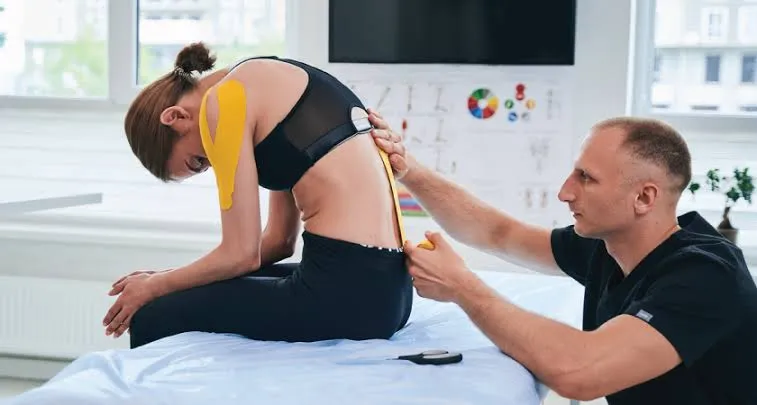
Sports Chiropractic for Ames Athletes and Active Adults


You don't need to be a professional athlete to care about how your body performs.

If running, lifting, CrossFit, recreational sports, or staying active is important to you, we want to understand what is keeping you from doing it comfortably and confidently.

At Platinum Chiropractic, our care starts with the same Neuro-Structural foundation we use throughout our office and applies it to the demands and goals that matter to you.

Ready to Figure Out What's Holding You Back?

Schedule a consultation at Platinum Chiropractic in Ames and let's take a closer look at how your body is functioning—and what may be limiting the activities you enjoy.

Schedule Your Consultation